
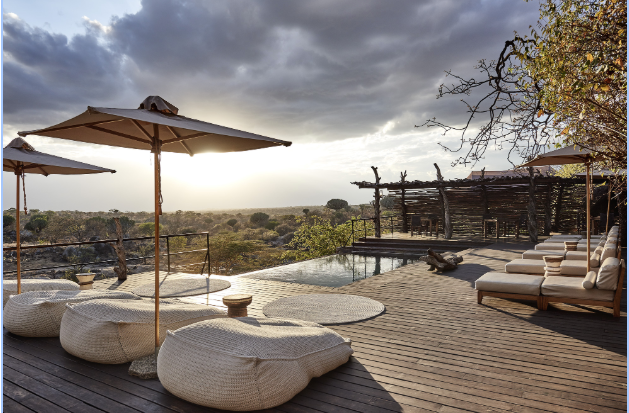
On safari, the place you return to each evening is part of the experience. After a day of dust, heat and wildlife, the right accommodation gives you a cool shower, a good meal and a quiet night with the sounds of the savanna outside. Serengeti luxury accommodation is a broad category, and the options differ in style, atmosphere, price and location.
This guide looks at it from the room outward: what you actually get, how the options compare, and how to judge whether a property delivers real value.
Understanding the Luxury Accommodation Landscape
The Serengeti has no single template for luxury. Properties range from stone-and-glass lodges perched on rocky outcrops to canvas suites on the open plains. What they share is a focus on comfort, privacy and a strong connection to the landscape.
1. Boutique Lodges
Lodges are permanent structures, often built into hillsides or around natural features such as granite kopjes. They typically offer a central dining and lounge area, a pool, and individual rooms or suites with private terraces. They suit travelers who value space, shared social areas and facilities such as spas or wellness rooms.
2. Luxury Tented Suites
These are the classic image of upscale safari accommodation. Canvas walls are set on raised platforms, with proper beds, en-suite bathrooms and often a private veranda. The thin walls bring you closer to the soundscape of the night, which many guests count as the highlight of their stay.
3. Mobile and Seasonal Camps
Some camps relocate during the year to stay near seasonal wildlife movements. They are lighter in footprint and usually smaller, but a good one still provides comfortable beds, hot water and excellent food. They suit travelers who put wildlife proximity ahead of facilities.
4. Private Villas and Exclusive-Use Camps
Some properties can be booked on an exclusive basis, giving a family or group the entire camp, with a dedicated team and a flexible schedule. This is the most private option and often the most expensive per person unless you are filling it with a group.
What Luxury Looks Like Inside the Room
Marketing photos can look similar, so it helps to know what to compare.
Bed and bedding. Good mattresses, quality linens and effective mosquito netting matter more than ornamental details. After early starts, sleep quality is a real part of the value.
Bathroom. Look for hot running water, a proper shower (many also offer freestanding tubs), and thoughtful toiletries. Water-conscious design is common, so showers may be timed or bucket-fed in some tented camps.
Private outdoor space. A deck or veranda turns an ordinary room into a viewing platform. Some include plunge pools or daybeds, which are especially welcome in the dry-season heat.
Light and views. Large windows or open canvas panels let you take in the landscape from inside. Ask whether rooms face the plains, a river or a waterhole, and whether all rooms enjoy the same view.
Climate comfort. Evenings and early mornings can be cool. Features such as fireplaces, hot-water bottles and good bedding add real comfort, while ceiling fans or shaded terraces help in the heat.
Power and connectivity. Many camps run on solar power with charging points but limited Wi-Fi. If you need to stay connected, ask for specifics rather than assuming.
Service, Food and Wellness
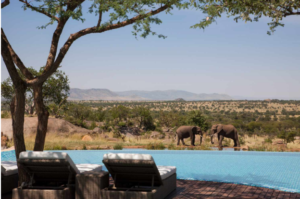
Service
The best Serengeti accommodation distinguishes itself through people. A warm welcome, anticipation of your needs and genuine local knowledge shape your impression more than any fitting or fixture. Small guest numbers usually mean more personal attention.
Dining
Expect multi-course dinners, packed breakfasts for early drives, and bush breakfasts or sundowners in scenic spots. Many properties cater to dietary needs when told in advance. Remote logistics make fresh produce a real achievement, so good food is a sign of a well-run operation.
Wellness
Higher-end properties may offer massage treatments, yoga, or quiet reading areas. These are valuable on longer stays, when downtime balances the intensity of game drives.
Location: The Factor That Matters Most
A beautiful room matters less if it sits far from the wildlife you want to see. Think about location in three ways.
Regional position. The Serengeti’s central, northern, western and southern areas each peak at different times of year. Your accommodation should match the season you are traveling. Ask your operator which area is likely to be strongest for your dates, since conditions vary with rainfall.
Immediate surroundings. Some properties sit beside rivers, near waterholes or overlooking open plains. Proximity to natural features can mean wildlife passing through camp or visible from your terrace.
Access. Consider how you will arrive, whether by light aircraft to a nearby airstrip or by road, and how long the transfer from the landing point will take. A scenic property that costs half a day in transit may not suit a short itinerary.
Matching Accommodation to Your Travel Style
| Traveler | Suggested Style | Why |
| Honeymooners | Intimate tented suites, small camps | Privacy, atmosphere, private decks |
| Families | Lodges or family tents; exclusive-use camps | Space, flexibility, child-friendly policies |
| Photographers | Camps in prime wildlife areas with private vehicles | Flexible timing and positioning |
| First-time visitors | Well-located lodges with experienced guiding | Reliable comfort and strong guidance |
| Adventure-minded travelers | Mobile camps | Closeness to seasonal wildlife movements |
| Groups and celebrations | Exclusive-use camps or villas | Privacy and customization |
Understanding Pricing
Luxury accommodation in the Serengeti represents a significant investment. Nightly rates at upper-tier properties commonly range from several hundred to well over a thousand US dollars per person, varying by season, location and property.
Typically included: accommodation, meals, selected drinks, laundry and game drives.
Often extra: park or concession fees, flights, balloon safaris, premium drinks, spa treatments and gratuities.
Peak months, generally the dry season and migration-linked periods, command the highest prices. Shoulder and green seasons often offer lower rates and fewer vehicles, in exchange for a greater chance of rain.
Always compare like with like. A higher nightly rate that includes activities and park fees may cost less overall than a lower rate with many add-ons.
Sustainability and Responsible Luxury
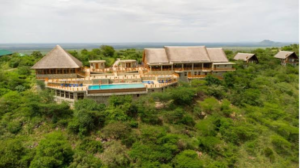
Many travelers now expect accommodation to protect the environment it relies on. When evaluating properties, consider:
- Energy and water use. Solar power and careful water management are common in better camps.
- Waste handling. Reducing single-use plastics and managing waste responsibly is important in a protected ecosystem.
- Community involvement. Look for local employment, training programs and meaningful partnerships.
- Conservation support. Some operators contribute directly to anti-poaching, research or habitat protection.
Ask for specifics. Properties with real commitments are usually happy to explain them.
Booking Tips
- Plan well ahead. Prime accommodation can sell out many months before peak travel dates.
- Check what is included. Request a written list of inclusions and exclusions.
- Confirm policies. Ask about child ages, cancellation terms and any minimum-stay rules.
- Ask about the room, not just the category. Specific rooms may have better views or quieter positions.
- Combine properties. A stay split between two styles or regions can add variety.
- Allow enough nights. Two nights is rushed; three to four per location is a better minimum.
- Consider expert help. A specialist safari planner can match properties to your priorities and handle logistics.
Conclusion
Serengeti luxury accommodation spans many styles, from boutique lodges and tented suites to mobile camps and private villas. The best choice comes down to what you value: the closeness of canvas, the space of a lodge, the privacy of exclusive use, or the flexibility of a mobile camp. Weigh location and service as heavily as room design, check inclusions carefully, and book early. A well-chosen base turns a wildlife trip into a lasting memory, with comfort, quiet and a view of the plains waiting after every drive.
Key Takeaways
- Luxury accommodation in the Serengeti includes boutique lodges, tented suites, mobile camps and private villas.
- Compare real comfort factors: bedding, bathroom, private outdoor space, views and climate features.
- Location, both regional and immediate, often matters more than room design.
- Service and guiding quality shape the experience as much as the physical property.
- Rates commonly run from hundreds to over a thousand US dollars per person per night, with park fees, flights and some activities frequently extra.
- Sustainability and community involvement are worth asking about.
- Book early, confirm inclusions in writing and allow at least three to four nights per location.
Frequently Asked Questions
- What is considered luxury accommodation in the Serengeti?
It usually means well-designed lodges, tented suites or private camps with high service levels, quality dining, private bathrooms, strong locations and expert guiding. - Is a luxury tent really luxurious?
Often, yes. These tents typically feature real beds, en-suite bathrooms, hot water and furnished verandas. The main difference from a lodge is the canvas walls and a closer connection to the sounds of the bush. - How much does luxury accommodation cost?
Prices vary by property and season, but upper-tier rates often range from several hundred to over a thousand US dollars per person per night. Confirm what is included. - What is usually included in the nightly rate?
Many properties include accommodation, meals, selected drinks, laundry and game drives. Park fees, flights, balloon rides and gratuities are often separate. - Are private plunge pools common?
Some properties offer them, but they are not universal. Check room details if a private pool matters to you. - Will I have Wi-Fi and power?
Many camps use solar power and provide charging points, but internet can be limited or unavailable in rooms. Ask the property for specifics. - How far in advance should I book?
For peak seasons, many travelers book six to twelve months ahead, sometimes more for the most sought-after properties. - Is exclusive-use accommodation worth it?
It suits families and groups who want privacy and flexibility. Per-person cost can be reasonable when the camp is filled, but it is usually higher for couples. - Can children stay at luxury properties?
Policies vary. Some welcome families and offer tailored activities, while others set minimum ages. Confirm before booking. - How can I tell if a property is sustainable?
Ask about renewable energy, water and waste management, local employment and conservation contributions. Reputable properties can usually give clear, specific answers. - Where is the best place to stay in the Serengeti?
It depends on your dates and priorities. Central areas offer year-round wildlife, the north is known for river crossings in the dry season, and the south is strong during calving season. Ask for current advice, as conditions change year to year.