
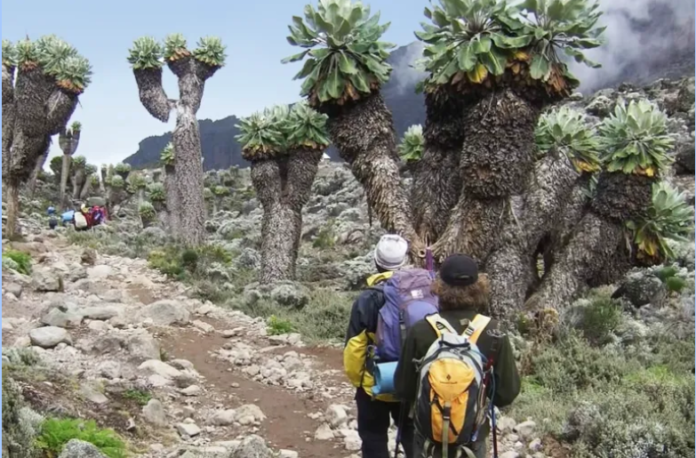
Climbing Mount Kilimanjaro, Africa’s tallest mountain and the world’s highest free-standing peak, is a life-changing adventure. Rising to 5,895 meters (19,341 feet), Kilimanjaro attracts thousands of trekkers annually, each seeking to reach its iconic summit, Uhuru Peak. One of the most critical decisions for a successful climb is selecting the right route. Each route offers unique scenery, difficulty levels, acclimatization profiles, and success rates.
This article provides a detailed overview of Kilimanjaro routes, helping climbers make informed decisions based on experience, budget, and personal preferences.
Overview of Kilimanjaro Routes
There are seven primary routes used to climb Kilimanjaro:
- Machame Route
- Lemosho Route
- Marangu Route
- Rongai Route
- Northern Circuit Route
- Shira Route
- Umbwe Route
Each route varies in terms of scenery, duration, crowd levels, and acclimatization opportunities.
1. Machame Route (The “Whiskey Route”)
The Machame Route is one of the most popular and scenic routes on Kilimanjaro Routes. It approaches the mountain from the south and offers diverse landscapes, including rainforest, moorland, and alpine desert.
Key Features:
- Duration: 6–7 days
- Difficulty: Moderate to challenging
- Success Rate: High due to good acclimatization
- Accommodation: Camping
Advantages:
- Excellent acclimatization profile (“climb high, sleep low”)
- Stunning views of glaciers and valleys
- Widely available and well-supported
Disadvantages:
- Can be crowded during peak seasons
- Requires good physical fitness
2. Lemosho Route (Best Overall Route)
The Lemosho Route is often considered the best route for scenic beauty and acclimatization. It begins on the western side of Kilimanjaro routes and joins the Machame Route later.
Key Features:
- Duration: 7–8 days
- Difficulty: Moderate
- Success Rate: Very high
- Accommodation: Camping
Advantages:
- Fewer crowds at the start
- Gradual ascent improves summit success
- Exceptional panoramic views
Disadvantages:
- More expensive due to longer duration
- Slightly remote starting point
3. Marangu Route (The “Coca-Cola Route”)
The Marangu Route is the only route that offers hut accommodation instead of camping, making it a preferred choice for those seeking more comfort.
Key Features:
- Duration: 5–6 days
- Difficulty: Moderate
- Success Rate: Lower due to rapid ascent
- Accommodation: Huts
Advantages:
- Comfortable sleeping arrangements
- Shorter duration
- Easier logistics
Disadvantages:
- Less scenic compared to other routes
- Poor acclimatization profile
- Higher risk of altitude sickness
4. Rongai Route (Northern Approach)
The Rongai Route approaches Kilimanjaro from the north near the Kenyan border. It is one of the least crowded routes.
Key Features:
- Duration: 6–7 days
- Difficulty: Moderate
- Success Rate: Good
- Accommodation: Camping
Advantages:
- Dry conditions, ideal during rainy seasons
- Fewer climbers
- Unique northern perspective
Disadvantages:
- Less scenic diversity
- Limited acclimatization compared to Lemosho or Machame
5. Northern Circuit Route (Longest and Most Successful)
The Northern Circuit is the newest and longest route on Kilimanjaro, offering the highest summit success rate due to its extended acclimatization period.
Key Features:
- Duration: 8–9 days
- Difficulty: Moderate
- Success Rate: Very high (often above 95%)
- Accommodation: Camping
Advantages:
- Best acclimatization profile
- Least crowded route
- 360-degree views around the mountain
Disadvantages:
- Long duration requires more time and budget
- Physically demanding due to distance
6. Shira Route (High Altitude Start)
The Shira Route begins at a higher altitude than other routes, which can make acclimatization more challenging.
Key Features:
- Duration: 6–7 days
- Difficulty: Moderate to challenging
- Success Rate: Moderate
- Accommodation: Camping
Advantages:
- Beautiful Shira Plateau scenery
- Less crowded than Machame
Disadvantages:
- Higher starting elevation increases altitude risk
- Not ideal for beginners
7. Umbwe Route (Most Challenging Route)
The Umbwe Route is the steepest and most direct path to the summit, recommended only for experienced climbers.
Key Features:
- Duration: 5–6 days
- Difficulty: Very challenging
- Success Rate: Low
- Accommodation: Camping
Advantages:
- Very quiet and uncrowded
- Direct and fast ascent
Disadvantages:
- Poor acclimatization
- High physical and mental demands
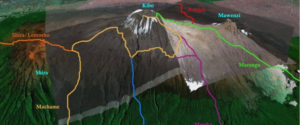
Comparison of Kilimanjaro Routes
| Route | Duration | Difficulty | Success Rate | Accommodation | Crowd Level |
| Machame | 6–7 days | Moderate–Hard | High | Camping | High |
| Lemosho | 7–8 days | Moderate | Very High | Camping | Medium |
| Marangu | 5–6 days | Moderate | Moderate | Huts | High |
| Rongai | 6–7 days | Moderate | Good | Camping | Low |
| Northern Circuit | 8–9 days | Moderate | Excellent | Camping | Very Low |
| Shira | 6–7 days | Moderate–Hard | Moderate | Camping | Low |
| Umbwe | 5–6 days | Very Hard | Low | Camping | Very Low |
Factors to Consider When Choosing a Route
1. Acclimatization
Routes with longer durations, such as Lemosho and Northern Circuit, offer better acclimatization, reducing the risk of altitude sickness.
2. Fitness Level
Beginners should avoid routes like Umbwe and Shira, while experienced trekkers may prefer them for the challenge.
3. Budget
Longer routes generally cost more due to additional park fees, guides, and supplies.
4. Comfort Preference
If you prefer sleeping in huts instead of tents, Marangu is the only option.
5. Crowd Levels
For a quieter experience, consider Rongai or the Northern Circuit.
Best Route for Different Climbers
- Beginners: Lemosho Route or Northern Circuit
- Budget Travelers: Machame Route
- Comfort Seekers: Marangu Route
- Experienced Climbers: Umbwe Route
- Scenery Lovers: Lemosho or Machame
Key Takeaways
- Kilimanjaro offers seven main routes, each with distinct characteristics.
- Lemosho and Northern Circuit provide the highest success rates due to better acclimatization.
- Machame is the most popular route, balancing cost, scenery, and success rate.
- Marangu is the only route with hut accommodation but has lower success rates.
- Umbwe is the most challenging route and best suited for experienced climbers.
- Choosing the right route significantly impacts your summit success and overall experience.
Frequently Asked Questions (Q&A)
Q1: Which Kilimanjaro route has the highest success rate?
The Northern Circuit has the highest success rate, often exceeding 90–95%, due to its extended acclimatization period.
Q2: What is the easiest route to climb Kilimanjaro?
No route is truly easy, but the Lemosho and Marangu routes are considered more manageable for beginners.
Q3: Which route is the most scenic?
The Lemosho Route is widely regarded as the most scenic, offering diverse landscapes and panoramic views.
Q4: Can beginners climb Kilimanjaro?
Yes, beginners can successfully climb Kilimanjaro with proper preparation and by choosing routes with good acclimatization profiles.
Q5: How long does it take to climb Kilimanjaro?
Most routes take between 5 to 9 days, depending on the chosen path.
Q6: Is altitude sickness a major concern?
Yes, altitude sickness is one of the biggest challenges. Choosing longer routes helps reduce the risk.
Q7: When is the best time to climb Kilimanjaro?
The best times are during the dry seasons: January–March and June–October.
Conclusion
Selecting the right route on Mount Kilimanjaro is a crucial step in planning a successful climb. Each route offers a unique combination of scenery, difficulty, and acclimatization opportunities. While popular routes like Machame provide a balanced experience, longer routes such as Lemosho and the Northern Circuit significantly increase the chances of reaching the summit.
Ultimately, the best route depends on individual goals, fitness levels, and budget. A well-informed choice, combined with proper preparation and guidance, ensures not only a higher likelihood of summiting but also a safer and more enjoyable journey to the Kilimanjaro routes Roof of Africa.