
Kenya has established itself as a premier destination for birding tours, attracting ornithologists and nature enthusiasts from around the globe. With over 1,100 recorded bird species spread across diverse ecosystems—from tropical coastal forests to alpine moorlands, arid savannahs to freshwater wetlands—Kenya offers birding experiences that satisfy both casual observers and dedicated listers pursuing rare endemics.
The country’s birding tour industry has matured into a sophisticated network of specialized operators, expert guides, and well-planned itineraries that maximize species diversity while ensuring comfortable, safe, and enriching travel experiences. Whether you’re planning your first international birding adventure or adding Kenya to an extensive life list, understanding the landscape of birding tours in Kenya helps you select experiences perfectly matched to your interests, budget, and expertise level.
Understanding Birding Tours in Kenya
Birding tours in Kenya range from budget-friendly group expeditions to exclusive private charters with world-renowned ornithologists. These tours distinguish themselves from general wildlife safaris through their specialized focus on avian species, employment of expert birding guides rather than general naturalists, strategic timing around migration patterns and breeding seasons, and itineraries emphasizing habitats with high species diversity or endemic populations.
Most reputable birding tours employ guides with extensive ornithological knowledge who recognize species by sight, sound, and behavior. Many guides maintain detailed records of local populations, understand seasonal movements, and possess networks sharing real-time sighting information. This expertise proves invaluable for locating specific target species and maximizing overall species counts.
Tours typically provide transportation in vehicles modified for birding—open-sided safari vehicles or minibuses with large windows and roof hatches allowing standing observation. Some operators provide spotting scopes, though serious birders usually bring personal optics. Accommodations range from comfortable lodges near prime birding sites to tented camps offering immersive wilderness experiences.
The structure of birding tours follows predictable patterns optimizing avian activity. Days begin before dawn when bird activity peaks, featuring several hours of intensive birding during cool morning temperatures. Midday breaks allow rest, lunch, and species list compilation before afternoon sessions extending into dusk. Many tours include occasional night excursions targeting nocturnal species like owls, nightjars, and frogmouths.
Types of Birding Tours Available in Kenya
Comprehensive Country Tours
These extensive itineraries span 2-3 weeks, visiting Kenya’s major birding destinations to maximize species diversity. Comprehensive tours typically include the Rift Valley lakes for waterbirds and flamingos, Kakamega Forest for western rainforest species, coastal forests like Arabuko Sokoke for endemics, northern reserves like Samburu for dry-country specialists, and highland areas for montane species. Such tours regularly produce species lists exceeding 500 birds, satisfying serious listers while showcasing Kenya’s ecological diversity.
Specialized Habitat Tours
Some tours focus on specific ecosystems, allowing deeper exploration of particular bird communities. Forest birding tours concentrate on Kakamega and other forested areas, emphasizing canopy species, undergrowth specialists, and range-restricted endemics. Wetland tours focus on Rift Valley lakes, coastal estuaries, and swamp systems supporting waterbirds, waders, and aquatic species. Savannah tours explore grassland ecosystems in reserves like the Maasai Mara, highlighting raptors, larks, and open-country species.
Photography-Focused Tours
These specialized tours cater to bird photographers rather than listers. Itineraries emphasize locations offering close approaches, good lighting conditions, and photographic hides. Schedules allow extended time at productive sites rather than rushing between locations. Group sizes remain small to minimize disturbance and maximize individual shooting opportunities. Guides understand photographic requirements, positioning participants for optimal angles and backgrounds.
Pelagic and Coastal Birding Tours
Coastal tours combine terrestrial forest birding at sites like Arabuko Sokoke with boat-based pelagic excursions targeting oceanic species. Pelagic trips venture offshore seeking shearwaters, petrels, tropicbirds, and other seabirds rarely observed from land. Mangrove ecosystems provide additional specialized habitats supporting unique bird communities including mangrove kingfishers, crab plovers, and various waders.
Budget Group Tours
Budget-conscious birders can access Kenya’s avian wealth through affordable group tours. These expeditions use larger groups (8-15 participants), simpler accommodations, and public campsites to reduce per-person costs. While less luxurious, budget tours still employ knowledgeable guides and visit prime birding locations, making Kenya birding accessible to younger birders, students, and those with limited budgets.
Private Custom Tours
High-end private tours offer ultimate flexibility and personalization. Clients work with operators to design bespoke itineraries targeting specific species, accommodating particular interests, and proceeding at preferred paces. Private tours employ dedicated guides and vehicles, stay at exclusive lodges, and modify plans based on real-time conditions and sightings. This premium option suits experienced birders with specific goals or families wanting personalized attention.
Top Birding Tour Destinations in Kenya
Kakamega Forest
No comprehensive Kenya birding tour omits Kakamega, the country’s premier forest birding destination. This remnant of Guineo-Congolian rainforest hosts species found nowhere else in East Africa, including great blue turacos, black-and-white casqued hornbills, blue-headed bee-eaters, and Turner’s eremomela. Multiple trails at varying difficulty levels allow exploration of different forest zones. Experienced guides prove essential for locating secretive species and distinguishing similar-looking forest birds by subtle plumage differences and vocalizations.
Lake Nakuru National Park
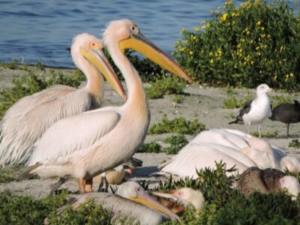
This compact park surrounding an alkaline lake provides extraordinary waterbird viewing. While flamingo numbers fluctuate with water chemistry, over 450 species have been recorded here. Birding tours visit pelicans, cormorants, numerous herons and egrets, African fish eagles, and diverse waders. The surrounding acacia woodlands support additional species, while the park’s rhino sanctuary adds mammal viewing opportunities.
Samburu National Reserve
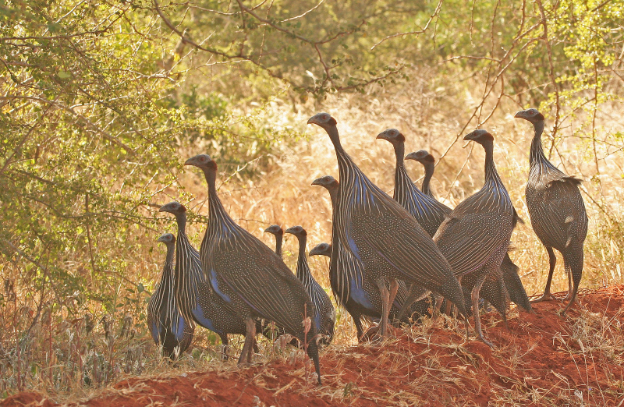
Northern Kenya’s flagship reserve combines spectacular scenery with specialized arid-country birds. Target species include vulturine guineafowl, golden-breasted starlings, Somali ostriches, various hornbills, and colorful bee-eaters. The Ewaso Ng’iro River creates riparian habitat contrasting with surrounding thornbush, supporting different bird communities including palm-nut vultures and various weavers. Early morning and late afternoon drives prove most productive as midday heat reduces activity.
Arabuko Sokoke Forest
This coastal forest represents Kenya’s most important site for endemic and threatened species. Six globally threatened birds occur here, making Arabuko Sokoke essential for serious birding tours. Target species include Sokoke scops owls, Clarke’s weavers, Amani sunbirds, and Sokoke pipits. Night walks targeting the scops owl add excitement, while nearby Mida Creek provides complementary coastal birding.
Lake Baringo
This freshwater lake in the Rift Valley currently hosts Kenya’s most reliable flamingo populations while supporting over 470 bird species. Boat-based birding excursions provide close approaches to waterbirds, hippos, and Nile crocodiles. The surrounding acacia woodlands host Hemprich’s hornbills, while rocky cliffs attract Verreaux’s eagles and various swifts. Accommodation options around Lake Baringo cater to different budgets, with several lodges employing resident ornithologists.
Mount Kenya
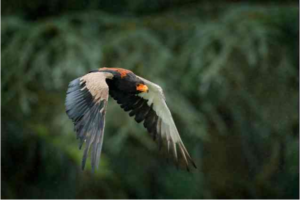
High-altitude birding around Africa’s second-highest mountain reveals alpine specialists adapted to harsh conditions. Above the treeline, birders seek scarlet-tufted malachite sunbirds, alpine chats, and the spectacular lammergeier soaring along cliff faces. Lower montane forests support different assemblages including Hartlaub’s turacos and various sunbirds. The altitudinal gradient creates distinct ecological zones visible within single days as tours ascend the mountain.
What to Expect on a Kenya Birding Tour
Daily Schedules and Routines
Typical birding tour days begin around 6:00 AM with pre-breakfast birding sessions capturing peak morning activity. Birds vocalize most actively at dawn, feeding intensively after overnight fasting. These productive morning hours often yield the majority of daily species counts. Following breakfast, tours continue birding until late morning heat reduces activity.
Midday breaks allow rest, lunch, equipment care, and species list compilation. Many birders use this time reviewing field guides, organizing photos, and discussing morning sightings with guides and fellow participants. Some lodges offer swimming pools or other amenities for relaxation.
 Afternoon sessions resume around 3:00-4:00 PM, continuing until dusk. Late afternoon light provides excellent photography conditions while birds increase activity as temperatures moderate. Evening brings opportunities for nightjars, owls, and other crepuscular species active at dawn and dusk.
Group Dynamics and Sizes
Group sizes significantly impact birding tour experiences. Small groups of 4-8 participants allow closer contact with guides, easier communication when spotting birds, flexible pacing accommodating different abilities, and minimal disturbance to birds. Larger groups of 10-16 reduce per-person costs but can create challenges coordinating observations and may disturb sensitive species.
Most birders find 6-10 participants ideal, balancing cost efficiency with quality experiences. Private tours obviously provide maximum flexibility and attention but command premium prices.
Accommodation Standards
Birding tour accommodations vary widely based on budget and tour style. Budget tours utilize basic guesthouses, public campsites, and simple lodges offering clean rooms, functional amenities, and convenient locations but minimal luxury. Mid-range tours stay at comfortable lodges and tented camps with en-suite facilities, quality meals, and pleasant common areas for species list discussions.
Luxury birding tours feature high-end lodges and exclusive camps offering spacious suites, gourmet dining, swimming pools, and additional amenities. These properties often employ resident naturalists enhancing the educational experience. Location matters more than luxury for serious birders—proximity to prime birding sites outweighs resort-style amenities.
Meals and Dietary Accommodations
Quality birding tours provide three meals daily plus snacks and beverages during field excursions. Breakfasts occur early, often featuring continental-style buffets allowing quick service before dawn departures. Lunches range from packed picnics eaten in the field to hot meals at lodges during midday breaks. Dinners provide opportunities for social interaction, species list compilation, and next-day planning.
Most operators accommodate dietary restrictions including vegetarian, vegan, gluten-free, and religious requirements. Advance notification ensures appropriate meal planning. Bottled water accompanies all field excursions, essential in Kenya’s tropical climate.
Choosing the Right Birding Tour Operator
Reputation and Track Record
Selecting reputable operators ensures safe, successful, and ethical birding experiences. Research operators through online reviews, birding forums, and recommendations from experienced birders. Established companies with years of Kenya experience demonstrate knowledge of seasonal patterns, reliable logistics, and problem-solving capabilities when challenges arise.
Membership in professional organizations like the Kenya Professional Safari Guides Association indicates commitment to standards and ongoing training. Operators contributing to conservation initiatives or community development programs deserve consideration as they ensure tourism benefits local populations and ecosystems.
Guide Expertise and Qualifications
Guide quality dramatically impacts birding tour success. Expert guides possess comprehensive species knowledge, recognize birds by brief glimpses and subtle vocalizations, understand behavior and habitat preferences, and know specific locations for target species. The best guides maintain personal databases of local populations and participate in citizen science initiatives.
Inquire about guide credentials during tour selection. Many top guides have authored regional field guides, published ornithological research, or gained international recognition. Some operators employ guides affiliated with BirdLife International or similar organizations, indicating serious ornithological credentials.
Itinerary Design and Flexibility
Well-designed itineraries balance diverse habitat coverage with adequate time in each location. Rushed schedules attempting too many destinations reduce species counts as travel time replaces birding time. Quality tours allocate full days in productive areas allowing thorough coverage.
Flexibility proves important as bird sightings can’t be scheduled precisely. Operators willing to adjust itineraries based on recent sightings, weather conditions, or group interests provide superior experiences. Private tours naturally offer more flexibility than fixed group departures.
Pricing and Value Assessment
Birding tour pricing varies tremendously based on duration, accommodation standards, group size, and included services. Budget tours start around $200-300 daily, mid-range tours cost $350-600 daily, while luxury private tours exceed $800-1,200+ daily. These rates typically include accommodation, meals, park fees, ground transportation, and guide services but exclude international flights, tips, and personal expenses.
Evaluate pricing against inclusions, accommodation quality, group size, and operator reputation. The cheapest option rarely provides the best value if it compromises guide quality, uses overcrowded vehicles, or includes hidden fees.
Preparing for Your Kenya Birding Tour
Pre-Trip Planning and Logistics
Successful birding tours begin with thorough preparation. Obtain required visas through Kenya’s straightforward e-visa system. Ensure passports remain valid for six months beyond travel dates. Arrange comprehensive travel insurance covering medical evacuation—essential for remote area travel.
Health preparations include yellow fever vaccination (required if arriving from endemic countries), malaria prophylaxis for lowland areas, and routine immunizations. Consult travel medicine specialists well before departure allowing time for multi-dose vaccines.
Book international flights arriving with sufficient buffer time before tour starts, accounting for potential delays. Many operators offer airport pickup services. Consider arriving a day early for jet lag recovery, ensuring full energy for dawn birding on tour’s first day.
Essential Equipment and Packing
Quality binoculars represent the most critical equipment. 8×42 or 10×42 configurations balance magnification, field of view, and light-gathering capabilities essential in forest and low-light conditions. Bring personal optics rather than relying on provided equipment to ensure familiar, high-quality viewing.
Field guides specific to East African birds prove invaluable. “Birds of Kenya and Northern Tanzania” by Zimmerman et al. remains the standard reference, though digital apps offering call recordings and range maps complement physical guides. Download offline versions before departure as internet access varies.
Pack neutral-colored, lightweight, breathable clothing. Avoid bright colors disturbing birds and white showing dust. Layers accommodate varying temperatures from cool highland mornings to hot lowland afternoons. Comfortable, broken-in walking shoes prevent blisters during forest trails. Wide-brimmed hats, sunglasses, and high-SPF sunscreen protect against equatorial sun.
Camera equipment for bird photography requires telephoto lenses (400-600mm), though smartphone cameras suffice for documentation. Bring extra batteries and memory cards as charging opportunities may be limited. Dust-proof bags protect equipment during travel on rough roads.
Additional essentials include notebooks for field notes, headlamps for pre-dawn starts, insect repellent, personal medications, and reusable water bottles reducing plastic waste.
The Role of Birding Tourism in Conservation
Birding tours contribute significantly to Kenya’s conservation efforts and local economies. International birders spend considerable money on tours, accommodations, park fees, and related services, creating economic value for protecting habitats and wildlife. This financial impact provides powerful arguments against converting natural areas to agriculture or development.
Many birding tour operators actively support conservation through direct contributions to habitat protection programs, employment of local guides creating stakeholder investment in wildlife preservation, partnership with community conservancies around Important Bird Areas, and participation in citizen science initiatives documenting bird populations and distributions.
Responsible birding tour operators adhere to ethical guidelines minimizing disturbance to birds and habitats. These include maintaining appropriate distances, limiting playback use for attracting birds, respecting nesting sites and sensitive habitats, following park regulations and staying on designated trails, and educating clients about conservation challenges and solutions.
Birders themselves contribute through park entrance fees directly funding conservation, eBird submissions documenting species distributions and population trends, support for local communities through purchases of crafts and services, and advocacy for habitat protection upon returning home.
 Conclusion
Birding tours in Kenya offer extraordinary opportunities to observe remarkable avian diversity while experiencing one of Africa’s most beautiful and welcoming countries. The combination of exceptional species richness, varied habitats within compact geographic areas, well-developed tourism infrastructure, and expert guides creates ideal conditions for successful birding adventures regardless of experience level.
From budget-conscious group tours to luxury private expeditions, Kenya’s birding tour industry accommodates every preference and budget. Whether pursuing comprehensive life list additions, photographing spectacular species, or simply enjoying nature’s beauty, appropriate tours exist matching your specific interests and goals.
The evolution of birding tourism has created positive conservation outcomes, providing economic incentives for habitat protection while engaging local communities as stakeholders in environmental stewardship. Every birding tour contributes to these conservation efforts, ensuring future generations can also experience Kenya’s extraordinary avian heritage.
As you plan your Kenya birding tour, invest time researching operators, selecting appropriate itineraries, and preparing thoroughly. The rewards—spectacular birds in stunning landscapes, meaningful encounters with expert guides and fellow enthusiasts, and contributions to conservation—will far exceed your investment, creating memories lasting long after you return home and perhaps inspiring repeat visits to explore Kenya’s inexhaustible birding treasures.
Key Takeaways
- Kenya birding tours offer access to over 1,100 bird species through specialized itineraries, expert guides, and strategic timing around migrations and breeding seasons
- Tour types range from comprehensive 2-3 week country tours visiting major habitats to specialized options focusing on photography, specific ecosystems, or budget-conscious group expeditions
- Essential destinations include Kakamega Forest (rainforest species and endemics), Lake Nakuru (waterbirds), Samburu (arid-country specialists), Arabuko Sokoke (coastal endemics), and Mount Kenya (alpine species)
- Daily schedules optimize bird activity with pre-dawn starts, intensive morning sessions, midday breaks, and afternoon/evening birding continuing until dusk
- Quality operators demonstrate strong reputations, employ expert guides with ornithological credentials, design well-paced itineraries, and provide appropriate accommodations for budget levels
- Pricing ranges from $200-300 daily for budget group tours to $350-600 for mid-range experiences and $800-1,200+ for luxury private tours, with costs typically including accommodation, meals, park fees, and guides
- Essential preparation includes obtaining e-visas, arranging health precautions (yellow fever vaccination, malaria prophylaxis), securing travel insurance, and packing appropriate equipment including quality binoculars and field guides
- Birding tourism contributes significantly to Kenya’s conservation efforts by creating economic value for habitat protection, employing local communities, and funding research and preservation initiatives
Frequently Asked Questions
How do I choose the right birding tour operator in Kenya?
Select operators based on reputation verified through birding forums and online reviews, guide expertise confirmed through credentials and experience, well-designed itineraries balancing habitat diversity with adequate location time, clear pricing showing value for inclusions, and commitment to conservation through ethical practices and community support. Request detailed itineraries, ask about guide qualifications, and verify what’s included in pricing. Established operators with years of Kenya experience demonstrate reliable logistics and deep local knowledge essential for successful birding.
What is the typical cost of birding tours in Kenya?
Costs vary significantly based on accommodation standards, group size, and tour duration. Budget group tours cost approximately $200-300 per person daily, mid-range tours $350-600 daily, and luxury private tours $800-1,200+ daily. These rates typically include accommodation, meals, park entrance fees, ground transportation, and guide services but exclude international flights, gratuities (typically $15-25 daily for guides), and personal expenses. Longer tours often offer better per-day value than short trips due to reduced proportional setup costs.
Can beginners join birding tours in Kenya or do I need prior experience?
Beginners are absolutely welcome on Kenya birding tours. Many operators offer tours accommodating mixed experience levels, from first-time birders to seasoned experts. Kenya’s spectacular and often colorful birds provide immediate enjoyment for novices, while abundant diversity challenges experienced listers. Quality guides adapt their approach to participant knowledge, providing more basic identification help for beginners while discussing subtle field marks and behaviors with experts. Consider tours specifically marketed to beginners if concerned about keeping pace with serious birders.
What is the best time to book a birding tour in Kenya?
Book peak season tours (November-April when Palearctic migrants augment resident populations) at least 6-12 months advance to secure preferred operators, lodges, and dates. Popular tours fill early, especially those targeting the Christmas-New Year holiday period when both migrants and birders peak. Shoulder season and off-peak tours (May-October) offer more flexibility with 2-4 months advance booking often sufficient. Last-minute bookings sometimes capture cancellation opportunities but risk limited availability. Private custom tours require more advance planning for itinerary development.
Do birding tours in Kenya include general wildlife viewing?
Most birding tours incorporate some general wildlife viewing as birds and mammals share habitats. However, emphasis remains firmly on avian species with schedules optimized for bird activity rather than mammal viewing. Morning sessions may encounter elephants, lions, or other mammals incidentally, but tours won’t deliberately seek mammals at the expense of birding time. Some operators offer hybrid tours balancing birding with mammal viewing for clients wanting comprehensive wildlife experiences, though serious birders prefer bird-focused itineraries maximizing species counts.
What accommodation standards can I expect on birding tours?
Accommodation quality varies by tour price point. Budget tours use basic guesthouses, bandas, and public campsites offering clean, functional rooms with shared or basic en-suite facilities. Mid-range tours stay at comfortable lodges and tented camps with good en-suite bathrooms, quality meals, and pleasant common areas. Luxury tours feature high-end lodges with spacious suites, gourmet dining, and resort amenities. Regardless of luxury level, location near prime birding sites matters most. Many birders prioritize guide quality and itinerary over accommodation luxury.
How physically demanding are birding tours in Kenya?
Physical demands vary by tour type and destinations. Vehicle-based savannah birding requires minimal fitness—mostly standing to observe through vehicle roof hatches and short walks. Forest birding at Kakamega involves hiking uneven trails for 2-4 hours, requiring moderate fitness. Highland birding around Mount Kenya includes altitude effects necessitating reasonable cardiovascular health. Most operators offer varied activity levels and accommodate limitations. Inform operators about fitness concerns or mobility issues during booking to ensure appropriate tour selection and necessary accommodations.
What bird photography opportunities do birding tours provide?
Standard birding tours provide numerous photography opportunities, though priorities favor species diversity over perfect shots. Bird photographers benefit from specialized photography-focused tours offering extended time at productive locations, strategic positioning for lighting and backgrounds, smaller groups minimizing disturbance, and guides understanding photographic requirements. Bring telephoto lenses (400-600mm ideal), fast autofocus cameras, and extra batteries/memory cards. Many subjects allow vehicle-based photography, with windows serving as stabilizing platforms. Walking trails sometimes prohibit tripods requiring alternative stabilization methods.
Are birding tour guides in Kenya qualified ornithologists?
Guide qualifications vary considerably. Top operators employ guides with extensive ornithological training, often holding degrees in wildlife management, biology, or related fields. Many experienced guides have contributed to field guide publications, conducted bird surveys, or maintained citizen science records. Others possess deep practical knowledge gained through years of field experience without formal degrees. Inquire specifically about guide credentials when booking. The best guides combine academic knowledge with practical field skills, recognizing species by sight and sound while providing ecological context enriching observations.
Can birding tours be customized for specific target species?
Yes, especially private tours which offer complete customization. Work with operators to design itineraries targeting specific species based on recent sightings, optimal timing, and required habitats. Operators can arrange extended stays in areas supporting targets, schedule visits during peak breeding periods when species are most conspicuous, and employ specialized guides familiar with particular species’ behaviors and locations. Group tours follow fixed itineraries with less flexibility but often target regional specialties and endemics. Communicate target species priorities during booking to ensure itinerary alignment.