
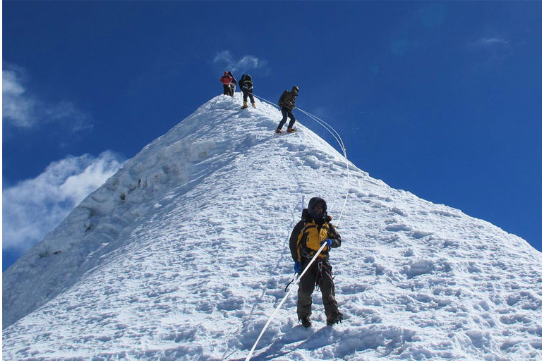
Nepal is globally recognized as one of the best destinations for mountaineering and adventure tourism. Home to the world’s highest mountains, including Mount Everest, the country attracts thousands of climbers every year. Nepal climbing offers a unique combination of breathtaking landscapes, thrilling adventures, and cultural experiences that cannot be found anywhere else in the world.
From beginner-friendly peaks to challenging Himalayan summits, Nepal peak climbing provides opportunities for climbers of all skill levels. Whether someone is looking for their first mountain climbing experience or aiming to conquer technical peaks, Nepal remains a dream destination for mountain enthusiasts.
Why Nepal is Famous for Climbing
Nepal is home to eight of the fourteen mountains above 8,000 meters, making it a paradise for climbers and trekkers. The country offers countless climbing routes with stunning views of snow-covered mountains, glaciers, valleys, and forests.
One of the biggest reasons why Nepal climbing is so popular is the diversity of climbing experiences available. Climbers can choose from trekking peaks, expedition mountains, and technical climbing routes depending on their experience and physical fitness.
In addition to adventure, climbers also experience Nepal’s rich culture and warm hospitality. During climbing expeditions, travelers pass through traditional villages, Buddhist monasteries, and ancient Himalayan communities.
What is Nepal Peak Climbing?
Nepal peak climbing refers to climbing smaller Himalayan peaks that are less difficult than major expedition mountains like Everest. These peaks are perfect for climbers who want to experience mountaineering without attempting extremely technical or dangerous climbs.
Peak climbing in Nepal often combines trekking and climbing, making it ideal for adventure travelers. Most climbing routes involve scenic trekking trails before reaching the mountain summit.
These climbing experiences offer an exciting introduction to high-altitude mountaineering while still providing breathtaking Himalayan views.
Popular Peaks for Climbing in Nepal
Island Peak Climbing
Island Peak is one of the most famous destinations for Nepal peak climbing. Located in the Everest region, this peak stands at 6,189 meters and is popular among beginner and intermediate climbers.
The climb offers incredible views of Mount Everest, Lhotse, and Ama Dablam. Many climbers choose Island Peak as preparation for higher Himalayan expeditions.
Mera Peak Climbing
Mera Peak is considered one of the highest trekking peaks in Nepal. It reaches an altitude of 6,476 meters and provides stunning panoramic views of five of the world’s highest mountains.
The route to Mera Peak passes through remote valleys and beautiful mountain landscapes, making it one of the most rewarding climbing experiences in Nepal.
Lobuche Peak Climbing
Lobuche Peak is another popular choice for climbers seeking adventure in the Everest region. The climb is slightly more technical than Island Peak but offers spectacular mountain scenery and an exciting challenge.
It is often selected by climbers who want to improve their mountaineering skills.
Best Time for Nepal Climbing
The best seasons for climbing in Nepal are spring and autumn.
Spring Season (March to May)
Spring is the most popular season for Nepal climbing because of stable weather and moderate temperatures. Clear skies and blooming rhododendron forests create beautiful scenery during the expedition.
Autumn Season (September to November)
Autumn is another excellent season for Nepal peak climbing. The weather remains dry and stable, offering clear mountain views and safe climbing conditions.
Winter climbing is possible on some lower peaks, but extremely cold temperatures and heavy snowfall can make climbing difficult.
Essential Preparation for Nepal Peak Climbing
Proper preparation is very important before attempting any mountain climb in Nepal.
Physical Fitness
Climbing at high altitude requires strong physical endurance and stamina. Regular cardio exercise, hiking, and strength training can help climbers prepare for the challenges of the Himalayas.
Climbing Equipment
Essential climbing gear includes:
- Climbing boots
- Ice axe
- Helmet
- Harness
- Crampons
- Warm clothing
- Sleeping bag
Using high-quality equipment improves safety and comfort during the climb.
Acclimatization
Altitude sickness is one of the biggest challenges during Nepal climbing. Climbers should spend time acclimatizing properly to allow the body to adjust to high elevations.
Hire Experienced Guides
Professional climbing guides play an important role in ensuring safety during mountain expeditions. Local guides are experienced with weather conditions, routes, and emergency situations.
Cultural Experience During Climbing Expeditions
One of the most memorable parts of Nepal peak climbing is the cultural experience. Climbers often stay in tea houses run by local families and enjoy traditional Nepalese food such as Dal Bhat, noodles, and Tibetan bread.
The trails are also filled with Buddhist monasteries, prayer wheels, and colorful prayer flags that create a peaceful spiritual atmosphere.
Interacting with Sherpa communities and local villagers gives travelers a deeper understanding of Nepalese culture and Himalayan life.
Key Points About Nepal Climbing
- Nepal is one of the world’s top destinations for mountain climbing.
- Nepal peak climbing is ideal for beginner and intermediate climbers.
- Popular climbing peaks include Island Peak, Mera Peak, and Lobuche Peak.
- Spring and autumn are the best seasons for climbing in Nepal.
- Physical fitness and acclimatization are essential for safety.
- Nepal climbing combines adventure, culture, and breathtaking scenery.
Conclusion
Nepal climbing offers an unforgettable adventure for travelers who dream of exploring the majestic Himalayas. With its stunning mountain landscapes, diverse climbing routes, and rich cultural experiences, Nepal remains one of the best mountaineering destinations in the world.