
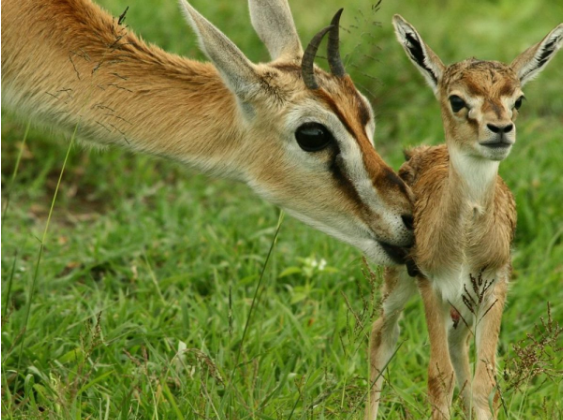
A comprehensive guide to Africa’s most extraordinary wildlife event — the wildebeest calving season in the Ndutu plains of Tanzania
Introduction
Every year, between late January and March, the vast golden plains of Ndutu in the Ngorongoro Conservation Area transform into one of the most breathtaking wildlife arenas on the planet. Hundreds of thousands of wildebeest descend on the short-grass savannahs of the Serengeti’s southern reaches to give birth — an event so massive, so primal, and so intensely dramatic that it has earned its place among the greatest natural spectacles Earth has to offer.
The Ndutu calving season safari is not merely a safari destination. It is an immersive encounter with the raw pulse of life itself: the tenderness of a newborn calf taking its first steps within minutes of birth, and the relentless vigilance of predators that have waited all year for this abundance. For the wildlife enthusiast, the photographer, or the first-time safari traveler, Ndutu during calving season is an experience that redefines what it means to witness nature.
What Is the Ndutu Calving Season?
Ndutu calving season safari is a remote wilderness area located in the southern Serengeti ecosystem, straddling the border between the Serengeti National Park and the Ngorongoro Conservation Area. Its fertile, mineral-rich short-grass plains are a critical component of the Great Migration — the year-round movement of over 1.5 million wildebeest, 200,000 zebras, and 350,000 gazelles across Tanzania and Kenya.
The Ndutu calving season safari typically peaks between late January and mid-February, though the broader calving window spans from December through March depending on annual rainfall patterns. During this period, approximately 500,000 wildebeest calves are born within a remarkably concentrated window — sometimes as many as 8,000 calves in a single day at the height of the season.
This synchronised birthing strategy — known as predator satiation — is an evolutionary adaptation. By flooding the landscape with newborns simultaneously, the wildebeest overwhelm the capacity of predators to consume them, dramatically improving each individual calf’s odds of survival. It is a numbers game written in the DNA of the species over millions of years.
The Landscape of Ndutu: A Safari Setting Unlike Any Other
The Ndutu ecosystem is defined by its open, rolling short-grass plains interspersed with acacia woodlands, seasonal wetlands, and the iconic Lake Ndutu and Lake Masek — two shallow, alkaline lakes that provide critical water sources during the dry season. The landscape is expansive and unobstructed, offering exceptional long-range visibility that makes game viewing and photography remarkably rewarding.
Unlike the dense bush of other safari regions, Ndutu’s flat terrain allows for panoramic views of wildlife in their full ecological context. A single game drive can reveal wildebeest stretching to the horizon, pride after pride of lions stalking through golden grass, and the explosive chase of a cheetah in full sprint — all against the backdrop of the endless Serengeti sky.
The ecosystem’s mosaic of habitats supports an extraordinary diversity of resident wildlife beyond the migrating herds, including elephants, giraffes, hippos, buffalo, hyenas, jackals, and over 500 species of birds. Ndutu is, in ecological terms, a crossroads — and during calving season, it becomes a convergence point for the entire food chain.
The Predator Experience: Nature’s Most Intense Drama
Where there is an abundance of vulnerable newborns, predators gather in remarkable concentrations. The Ndutu calving season is arguably the best time anywhere in Africa to observe large cats and other apex predators actively hunting, and in extraordinary numbers.
Lions dominate the plains. Large prides — sometimes numbering 20 to 30 individuals — patrol the calving grounds with almost casual confidence, aware that meals are plentiful and effortlessly within reach. Lionesses move through the herds with practiced efficiency, selecting calves that have strayed from their mothers. Witnessing a coordinated lion hunt during calving season, followed by the chaos of the herd’s response, is a visceral reminder of ecological reality.
Cheetahs are arguably the stars of the Ndutu safari experience. The southern Serengeti holds one of the highest densities of cheetahs in the world, and during calving season, these elegant sprinters are in near-constant motion. Coalition males and solitary females alike make multiple kills per day, and sightings of cheetah families with cubs — taking advantage of the glut of prey — are among the season’s most cherished moments.
Leopards haunt the fever tree woodlands around the lakes, while spotted hyenas operate in large clans, both as independent hunters and relentless opportunists. Wild dogs, rarer but increasingly sighted in the area, occasionally pass through on their vast territorial circuits.
For the wildlife enthusiast, few experiences rival watching a cheetah mother teach her cubs to hunt among the wildebeest calves, or observing the complex social dynamics of a lion pride feeding in the amber light of a Ndutu sunrise.
Planning Your Ndutu Safari: Practical Considerations
Getting There: Most visitors arrive via Arusha or Dar es Salaam, connecting to small charter flights into the Ndutu or nearby Lake Masek airstrips. Flying is strongly recommended over overland routes given the remoteness of the area.
Where to Stay: Accommodation ranges from ultra-luxury camps to mid-range and budget options. Given the seasonal nature of the area, many camps operate exclusively from November to April. Early booking — often 12 to 18 months in advance for peak season — is essential.
Game Drives: Most camps offer morning and afternoon game drives in 4×4 safari vehicles, often with experienced naturalist guides who possess deep knowledge of local wildlife dynamics. Full-day drives with a packed lunch allow time in the field when predator activity often peaks at midday.
Photography Tips: A telephoto lens of 400mm or more is recommended for wildlife photography. The flat terrain and even early-morning light create extraordinary conditions. Request a vehicle with a roof hatch rather than pop-top sides for the best shooting angles.
What to Pack: Lightweight, neutral-coloured clothing (khaki, olive, grey), a wide-brimmed hat, high-SPF sunscreen, insect repellent, binoculars, and a good camera with a telephoto lens. Mornings and evenings can be surprisingly cool on the open plains, so a fleece or light jacket is essential.
Key Takeaways
| # | Insight |
| 1 | Best Time to Visit: Late January through mid-March for peak calving activity; broader season spans December to March. |
| 2 | Location: Ndutu straddles the Serengeti National Park and Ngorongoro Conservation Area in northern Tanzania. |
| 3 | Scale of Wildlife: Up to 500,000 wildebeest calves born per season; up to 8,000 per day at peak. |
| 4 | Predator Density: Among Africa’s highest concentrations of lions, cheetahs, leopards, and hyenas during this season. |
| 5 | Visibility: Open short-grass plains provide unobstructed sightlines — ideal for game viewing and photography. |
| 6 | Ecosystem Diversity: Over 500 bird species and abundant resident megafauna beyond the migrating herds. |
| 7 | Photography Opportunity: Ndutu is one of the premier wildlife photography destinations on the continent. |
| 8 | Plan Ahead: Book accommodation 12–18 months in advance for peak season; most camps are seasonal. |
| 9 | Responsible Tourism: Choose operators committed to low-impact safari practices and TANAPA/NCAA guidelines. |
| 10 | Recommended Stay: A minimum of four nights; five to seven nights allows for deeper immersion. |
Q&A: Your Ndutu Calving Season Questions Answered
Q: Is the Ndutu calving season suitable for first-time safari visitors?
A: Absolutely. The density and accessibility of wildlife during calving season makes Ndutu one of the most rewarding safari experiences for first-timers. The action is continuous, and the relatively compact area means game drives rarely return without significant sightings.
Q: How does the calving season differ from the river crossings in the Maasai Mara?
A: While the Mara River crossings (July–October) are the most dramatic single events of the migration, calving season offers a more sustained, ecologically rich experience. Predator-prey dynamics unfold throughout the day across a vast landscape rather than concentrating at a single crossing point. Many seasoned safari travelers regard the calving season as the more emotionally powerful experience.
Q: What is predator satiation, and why does it matter?
A: Predator satiation is the evolutionary strategy by which wildebeest synchronise their births over a very short window. By producing an overwhelming number of calves simultaneously, the herd ensures that predators — however numerous — cannot consume more than a fraction of the newborns before they become mobile enough to evade capture. It is one of nature’s most elegant survival mechanisms, and witnessing it at Ndutu makes the strategy viscerally understandable.
Q: Are there ethical concerns about safari tourism during calving season?
A: Responsible operators adhere to strict guidelines: maintaining minimum distances from wildlife, limiting vehicle numbers at any one sighting, and never positioning vehicles to interfere with natural behaviour. Visitors should verify that their operator holds appropriate permits and follows the codes of conduct set by Tanzania National Parks (TANAPA) and the Ngorongoro Conservation Area Authority (NCAA). Crowding at kills or blocking animal movement are clear red flags.
Q: Is Ndutu inside the Serengeti National Park?
A: Ndutu sits within a unique administrative overlap. The area falls partly within the Ngorongoro Conservation Area and partly within the Serengeti National Park, with the boundary running through the ecosystem. Most camps and game-drive areas operate under NCAA jurisdiction, requiring the payment of appropriate conservation fees, which directly fund wildlife protection.
Q: How long should I plan to stay at Ndutu?
A: A minimum of four nights is recommended to experience the full range of calving season activity. Five to seven nights allows for deeper immersion, greater variety of encounters, and patience for the more elusive predators such as leopards and wild dogs. Quality of experience increases significantly with time.
Conclusion
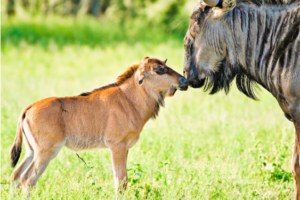
The Ndutu calving season safari is a reminder — urgent and beautiful — of the extraordinary resilience and abundance that still exist in Africa’s wild places. To stand on the Ndutu plains in February, surrounded by the movement of tens of thousands of wildebeest, the plaintive calls of newborn calves, and the distant silhouette of a cheetah on a termite mound scanning for prey, is to understand something fundamental about the planet we share.
It is not a comfortable experience in the sanitised sense of modern travel. It is something richer: a direct encounter with the cycles of birth, survival, predation, and renewal that have shaped life on Earth for millennia. Few places on the planet offer such unmediated access to these forces, and few experiences leave a traveler as profoundly changed.
Whether you are a seasoned safari traveler adding another chapter to a storied wildlife portfolio, or a first-time visitor stepping off a charter flight onto the red soil of southern Tanzania, Ndutu during calving season will exceed every expectation. The wildebeest do not wait, the cheetahs do not pause, and the plains do not offer second chances to those who delay. Book early, arrive with an open heart, and let the Ndutu calving season do what it has done for millennia — remind you, with undeniable force, just how magnificent this world truly is.